Reviewing the Wedding Rings Embroidery Design for Real Projects
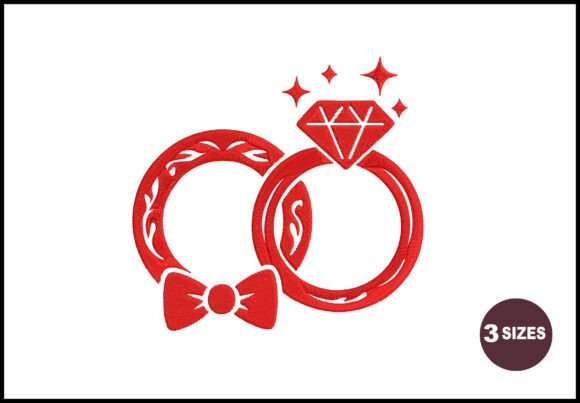
As a designer who has spent years digitizing patterns and testing them on everything from stiff denim to delicate silk, I approach every new machine embroidery design with a critical eye. It is not enough for a file to look good on a screen; it must hold up under the needle, survive the wash, and appeal to the end customer. Recently, I took a close look at the Wedding Rings Embroidery design, a charming piece that features two interlocked rings—one adorned with a bow tie for the groom and the other with a diamond for the bride. Stitched in bright red with sparkling star details, this design promises a pop of color and sentimentality. But does it deliver in a real-world embroidery project?
First Impressions and Visual Personality
The immediate mood of this design is playful yet romantic. Unlike traditional, solemn wedding motifs that rely heavily on golds and silvers, this piece uses bright red as its primary anchor. This choice makes it versatile beyond just formal wedding attire. The interlocked rings create a strong central focal point, while the bow tie and diamond add necessary character without overcomplicating the silhouette. The inclusion of sparkling star details adds a whimsical touch, suggesting celebration and joy rather than just contractual union.
From a layout perspective, the symmetry is balanced. For an Etsy seller or craft business owner, this balance is crucial. It means the design can be centered easily on a chest pocket, a tote bag, or a pillow cover without looking lopsided. The visual personality feels modern and approachable, fitting well within the broader category of Wedding Designs that target younger couples or those seeking a less traditional aesthetic.
Real-World Application: The Tote Bag Test
To truly evaluate this embroidery file, I imagined a specific client request: a set of personalized tote bags for a bridal party. The goal was to create something usable after the wedding, not just a keepsake to hide in a closet. I visualized stitching the Wedding Rings Embroidery onto a natural canvas tote. The bright red thread would contrast beautifully against the neutral fabric, making the design pop. The star details would catch the light, adding a subtle shimmer that elevates the perceived value of the handmade product.
This scenario highlights why this design works well for custom apparel and accessories. It is not overly dense, which prevents the fabric from puckering excessively—a common issue with heavy fill stitch areas on thinner materials. For a small shop product, this reliability is key. You do not want to spend hours hooping and stitching only to have the final finished product look warped or unprofessional.
Versatility Across Product Lines
Beyond tote bags, this design has significant potential in various niches. For sweatshirt embroidery, the bold lines and bright colors ensure visibility even from a distance. Imagine this stitched on the left chest of a heather grey hoodie; it becomes a stylish, casual statement piece. For baby embroidery, such as a onesie or a burp cloth, the playful stars and simple ring shapes are safe and appealing, provided the scale is reduced appropriately. It also serves well as an embroidered patch design, where the defined edges of the rings and bow tie can be cleanly finished with a satin stitch border.
For holiday embroidery projects, particularly around Valentine’s Day or anniversaries, this design transitions seamlessly. The red color scheme is already aligned with romantic holidays, allowing digital product sellers to market the same design assets across multiple seasonal campaigns without needing to recolor or redesign.
Technical Considerations and Stitching Clarity
When evaluating any digital embroidery file, we must look at the technical execution. The description mentions bright red thread and sparkling star details. In practice, this suggests a mix of satin stitch for the rings and possibly running stitch or small satin columns for the stars. The clarity of these details depends heavily on stitch density. If the density is too high, the red thread may bunch up, obscuring the shape of the bow tie and diamond. If it is too low, the fabric might show through, breaking the visual continuity.
I recommend checking the stitch count and density settings in your embroidery software before running the full production batch. A well-digitized file will have underlay stitches that stabilize the design, ensuring the top stitches lay flat. For the star details, ensure they are not too tiny. Small, isolated elements can often get lost or cause thread breaks if the needle jumps too frequently between them.
Fabric and Hoop Constraints
While this design is versatile, it requires careful handling on certain materials. On textured fabrics like terry cloth or heavy wool, the fine details of the diamond and bow tie might get lost. In such cases, using a heavier weight stabilizer is non-negotiable. For stretchy fabric like jersey knits used in t-shirts, a cut-away stabilizer will provide the necessary support to prevent distortion during washing.
Be cautious with dark fabrics. While red is vibrant, it may not stand out sufficiently against black or navy blue without a slight adjustment in thread shade or the addition of a white underlay. Always test the design on scrap fabric first. Check thread color contrast and inspect small details under good lighting. Comparing light and dark fabric backgrounds in your printable mockup stage can save you from costly mistakes later.
Commercial Viability and Brand Consistency
For commercial embroidery professionals, the appeal of Wedding Rings Embroidery lies in its emotional resonance. Customers buying personalized gifts are looking for connection and quality. A clean, well-stitched design builds customer trust and enhances brand consistency. If your brand focuses on whimsical, modern romance, this design fits perfectly. If your brand is strictly classic and minimalist, the stars might feel out of place.
Before selling finished products or using this as part of a larger collection, confirm the licensing terms. Most designers offer different licenses for personal use versus commercial use. Ensure you have the right to sell items made with this applique design or standard embroidery file. This due diligence protects your craft business from legal issues and ensures you are supporting the original creator.
Final Verdict for Makers and Designers
The Wedding Rings Embroidery design is a solid addition to any library of Wedding Designs. Its strength lies in its balanced composition and cheerful color palette. It performs well on medium-weight fabrics like cotton canvas, twill, and stable knits. It is less suitable for extremely delicate silks or highly textured fleeces without significant stabilization and testing.
For makers and creative entrepreneurs, this design offers a quick win. It is recognizable, emotionally engaging, and technically manageable for most mid-range home embroidery machines. By paying attention to hoop size constraints and testing on your specific fabric types, you can produce high-quality personalized gifts and boutique items that resonate with buyers. Remember to review the specific file formats provided to ensure compatibility with your machine, and always run a test stitch to verify the stitch density and thread tension. With these precautions, this design can become a staple in your Etsy listings and custom order portfolio.