Reviewing the Pink Loop Bow Frame Design
As an embroidery designer who has spent years refining digitizing techniques for boutique apparel, I approach every new machine embroidery design with a critical eye. It is not just about whether the file runs smoothly on the machine; it is about how the final stitch-out translates to the garment and, ultimately, to the customer’s perception of value. Recently, I evaluated the Pink Loop Bow Frame Embroidery Design for an upcoming limited sweatshirt drop for a small online shop. This review breaks down my professional assessment of this whimsical rectangular frame, focusing on its viability for commercial use, aesthetic appeal, and technical execution.
First Impressions and Aesthetic Mood
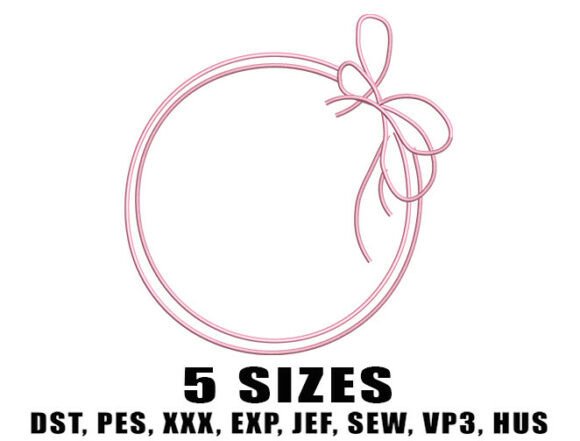
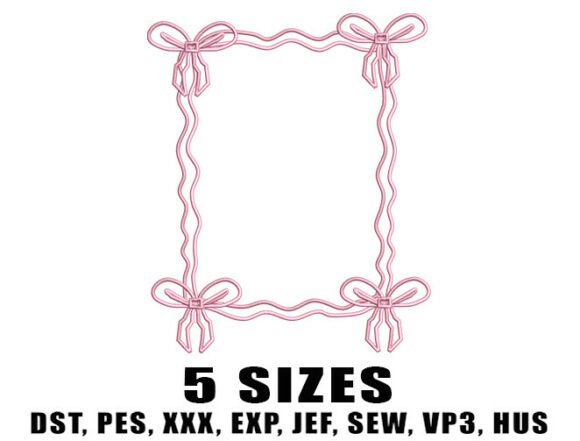
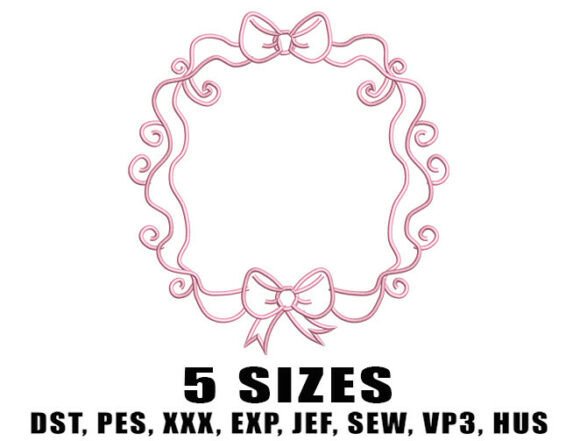
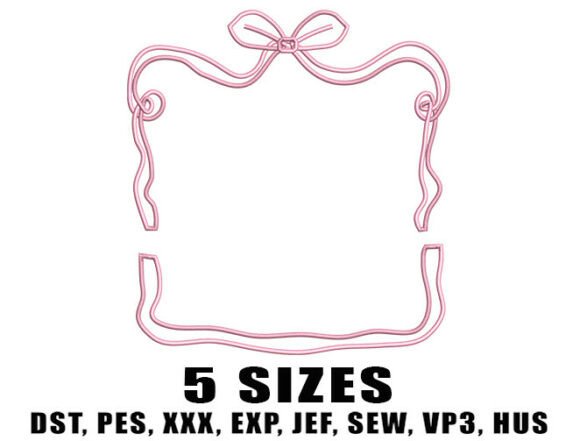
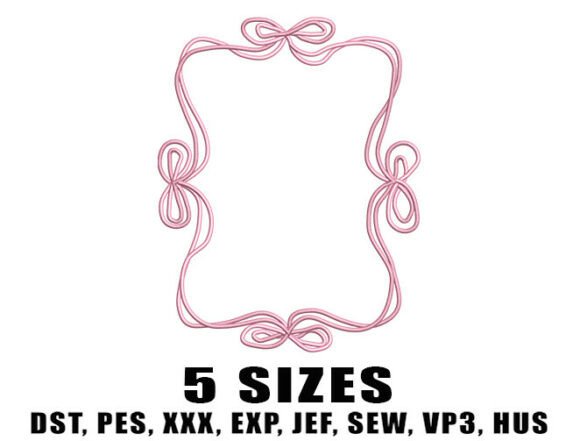
The moment I loaded the preview of the Pink Loop Bow Frame Embroidery Design, the mood was immediately clear: playful, feminine, and undeniably cute. The concept of a looped bow forming a rectangular border is a clever twist on traditional framing motifs. In the context of a Nursery category product, it fits perfectly, but its versatility extends far beyond baby clothes. For a boutique brand targeting young adults or mothers who appreciate soft, decorative aesthetics, this design strikes a balance between rustic charm and modern minimalism.
The "looped" nature of the bow suggests a softness in the thread colors and stitch direction. Unlike rigid geometric frames, this design invites a sense of movement. When visualized on a premium sweatshirt, it does not feel overly bold or aggressive. Instead, it offers a decorative touch that feels handmade and intentional. For an Etsy seller looking to differentiate their small shop product from mass-produced retail items, this level of whimsical detail is exactly what drives engagement.
Application on Sweatshirts and Hoodies
The primary test for any hoodie design is how it interacts with heavy fabric. I imagined this frame embroidered on a range of neutral sweatshirts—oatmeal, heather grey, and soft blush. On lighter fabrics, the pink loops would provide a subtle pop of color without overwhelming the garment. However, the true test lies in contrast. If applied to a dark charcoal or navy hoodie, the design would need careful thread selection to ensure visibility. A vibrant magenta or a soft pastel pink could work, depending on whether the brand identity leans toward bold statements or understated elegance.
Placement is crucial for sweatshirt embroidery. This rectangular frame is ideally suited for left-chest placement, where it can frame a small initial or a tiny brand logo. Alternatively, it could serve as a central back design, framing a larger text element or a date, such as a birth year for a personalized gift. For oversized hoodies, the frame could be scaled up to create a statement piece on the front, acting as a window for custom text. The versatility of having five sizes included in the package is a significant advantage for custom apparel businesses that need to adapt one asset across various garment types, from baby onesies to adult XXL hoodies.
Technical Considerations for Commercial Use
From a technical standpoint, several factors determine whether a digital embroidery file is ready for commercial production. First, we must consider stitch density. A frame design that is too dense can cause puckering on thinner fabrics, while a design that is too sparse may look unfinished on thick fleece. Based on the description of "looped bows," I anticipate a moderate density that allows the texture of the fabric to show through slightly, enhancing the handmade product feel. However, before running a full production batch, it is essential to check the specific stitch count and density settings within the file.
Stabilizer choice is another critical variable. For heavy sweatshirts, a cut-away stabilizer is usually recommended to maintain shape after washing. Since this design involves a frame structure, ensuring that the corners of the rectangle remain sharp and do not pull inward during stitching is vital. I would recommend testing the smallest size first to check for readability. If the loops become indistinguishable blobs at the smallest scale, that size should be reserved for lighter fabrics or used only as a subtle accent.
Washing durability is non-negotiable for boutique brands. Customers expect their finished product to withstand regular laundering without thread breakage or distortion. The continuous lines of the looped bow suggest good connectivity, which generally aids in stability. However, designers should always run a wash test on a sample garment to confirm that the thread colors do not bleed and that the frame retains its rectangular integrity.
Enhancing Brand Identity and Value
Incorporating a distinctive element like the Pink Loop Bow Frame Embroidery Design can significantly elevate brand identity. It moves the product from a basic commodity to a curated design asset. For lifestyle product photography, this frame provides a natural focal point. Imagine a flat lay featuring a cozy sweater with the bow frame embroidered on the cuff or chest, surrounded by soft props like dried flowers or coffee cups. This visual storytelling increases perceived value and encourages social media sharing.
For commercial embroidery operations, efficiency is key. Having a pre-digitized frame saves hours of design time. Instead of creating a custom border for every personalized order, a shop can use this frame as a consistent branding element. It creates visual recognition; customers begin to associate that specific looped bow style with your boutique. This consistency builds trust and fosters customer loyalty.
Final Verdict for Designers
The Pink Loop Bow Frame Embroidery Design is a strong contender for any designer’s library, particularly those specializing in feminine, nursery, or cozy seasonal apparel. Its strength lies in its adaptability and its ability to add a whimsical, high-end touch to simple garments. While the description mentions it is great for framing text and initials, I see potential for using it as a standalone decorative motif on sleeves or hems.
Before committing to a large run, remember to verify the specific hoop size requirements for each of the five included sizes. Ensure your machine’s hoop capacity matches the largest version if you plan to use it for back prints. Additionally, always request or download a printable mockup if available, to visualize the scale on different garment templates. By paying attention to fabric texture and thread contrast, you can transform this digital file into a best-selling physical item. For creative entrepreneurs looking to add a touch of playful sophistication to their collection, this design offers a reliable and charming solution.