Reviewing Autumn Vibes Embroidery Design for Craft Fairs
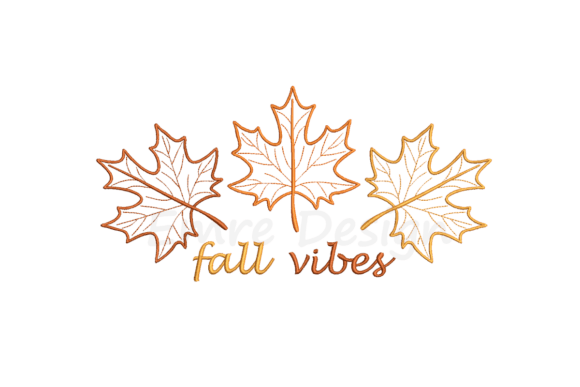
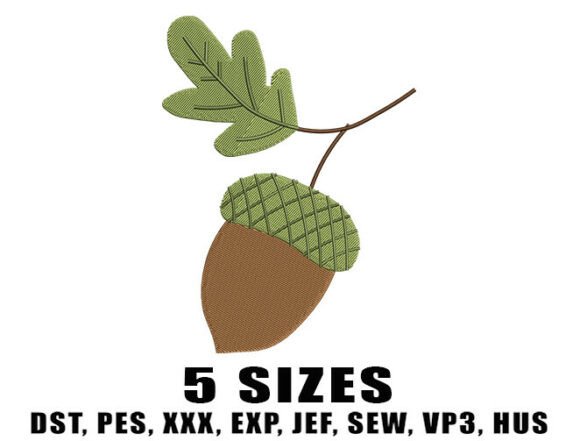
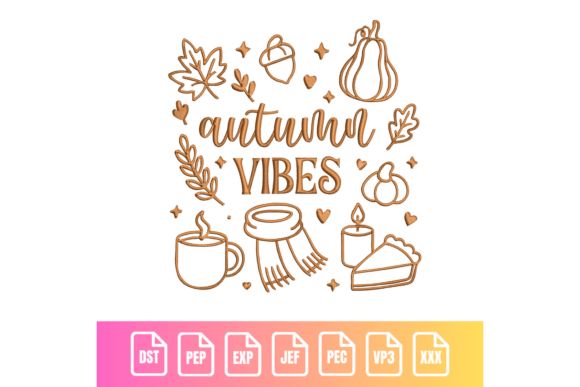
As an embroidery designer who has spent countless weekends standing behind booths at local craft fairs, I know that the difference between a browsing customer and a buying customer often comes down to visual impact. When I first loaded the Autumn Vibes Embroidery Design into my digitizing software, my immediate thought was not just about stitch paths, but about shelf appeal. This design captures the cozy feeling of fall with playful seasonal elements, including pumpkins, autumn leaves, an acorn, a warm drink, and a scarf. It is exactly the kind of imagery that stops people in their tracks during the crisp September and October market seasons.
First Impressions and Aesthetic Appeal
The aesthetic of this piece leans heavily into the "cozy rustic" category, which remains a top seller for handmade products. It does not try to be overly modern or minimal; instead, it embraces the warmth of the season. The combination of a warm drink and a scarf suggests comfort, while the pumpkins and acorn ground it in traditional harvest themes. For a craft fair seller, this is vital. You need a design that communicates its theme instantly. Customers walking past your booth have only seconds to decide if your products resonate with them. This design achieves that clarity through recognizable, charming icons that evoke nostalgia and comfort.
When evaluating the thread colors required for this motif, I anticipate a palette rich in burnt oranges, deep browns, mustard yellows, and perhaps a soft cream for the steam of the drink. These tones contrast beautifully against neutral fabrics like natural linen, oatmeal cotton, or even dark denim. The visual weight of the design feels balanced, making it suitable for both small accent pieces and larger focal points depending on how you scale it.
Product Versatility for the Handmade Market
One of the strongest assets of this digital embroidery file is its versatility. In my experience, a single strong design can anchor an entire product line if applied correctly. Here is how I would deploy this design across various craft fair products:
- Tote Bag Design: Placing this motif centrally on a canvas tote creates an instant bestseller. Shoppers love functional art, and a sturdy bag with this cheerful autumn scene is perfect for farmers' market runs.
- Apron Embroidery: A half-apron featuring this design near the pocket area adds a touch of whimsy to kitchen wear. It appeals to home cooks who want to celebrate the season while preparing holiday meals.
- Tea Towel Embroidery: For a lower-price-point item, stitching this onto the corner of a flour sack towel makes for an excellent impulse buy. It is small enough to stitch quickly but detailed enough to look premium.
- Embroidered Patch: If you offer iron-on or sew-on patches, this design translates well to a smaller scale. Patches are popular with younger demographics and allow customers to customize their own jackets or bags.
- Pillow Covers: A larger version of this design on a textured pillow cover can elevate a living room’s decor. It serves as a seasonal statement piece that buyers can justify as a home refresh.
For Etsy sellers and small shop owners, this variety allows for cross-listing. You can create a cohesive collection where the same machine embroidery design appears on multiple items, strengthening your brand consistency. When a customer sees the same charming pumpkin and scarf motif on a mug rug, a tote, and a hat, it reinforces the professional quality of your small shop product.
Production Practicalities and Technical Notes
While the visual appeal is high, practical production considerations are equally important for maintaining profit margins. Before running a full batch, I always recommend testing the design on scrap fabric. Pay close attention to stitch density. Designs with multiple elements like leaves and acorns can sometimes become dense if not digitized with proper underlay and spacing. High density can cause puckering, especially on lighter fabrics like tea towels.
Here are specific technical areas to review before committing to commercial embroidery production:
- Fabric Texture: Textured towels or thick canvas may require a stronger stabilizer to prevent the design from sinking into the fabric pile. Test different cut-away or tear-away options to find the right support.
- Curved Surfaces: If applying this to caps, ensure the design is not too wide. Curved cap surfaces can distort wider designs. You may need to resize the motif to fit comfortably within a standard cap hoop without wrapping around the sides.
- Small Details: Check the clarity of the acorn and the steam lines from the warm drink. At smaller sizes, fine details can get lost or break during washing. Ensure the digitizer has used appropriate stitch types for these thin elements.
- Dark Fabric: If stitching on navy or black fabric, verify that the thread colors provide enough contrast. You might need to adjust the color sequence or add a satin stitch border to make the design pop against dark backgrounds.
It is crucial to confirm the hoop size requirements. Since the description mentions multiple elements, this design likely requires a medium to large hoop. Always check the specific file details provided by the creator to ensure it fits your machine’s capabilities. Additionally, never assume license terms. Always confirm commercial licensing before selling finished products derived from a digital embroidery file.
Maximizing Sales Through Presentation
How you present this design can significantly affect buyer engagement. For online listings, a printable mockup can help visualize the final product, but nothing beats a real photo of the finished product. The texture of the threads adds a tactile quality that digital images cannot fully capture. Use good lighting to highlight the sheen of the rayon or polyester threads against the fabric texture.
In a physical booth, use this design on your most visible samples. A tote bag hanging at eye level or a pillow displayed on a chair draws attention. The "cozy" narrative of the design invites customers to imagine using the item in their own homes. This emotional connection is what drives sales for handmade goods. By ensuring the stitch quality is high and the fabric choice complements the autumnal theme, you elevate the perceived value of the item.
Ultimately, the Autumn Vibes Embroidery Design is a strong contender for any fall-themed inventory. It balances festive charm with practical applicability. By carefully managing production details like stabilizer choice and thread contrast, and by strategically placing the design on high-traffic items like totes and aprons, you can create a standout collection that resonates with craft fair shoppers. Remember to test thoroughly, respect licensing agreements, and let the cozy spirit of the design shine through in every stitch.