Review: Volleyball Cancer Embroidery Design for Crafters
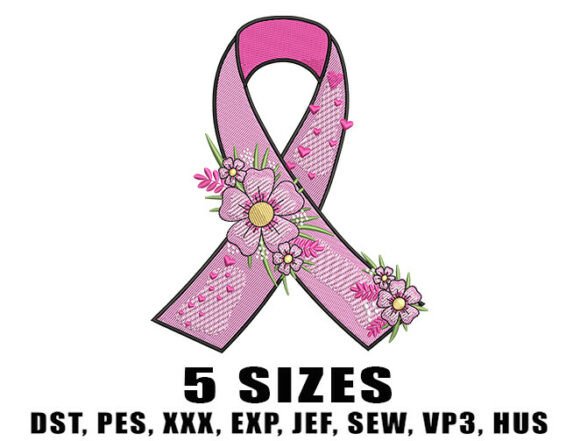
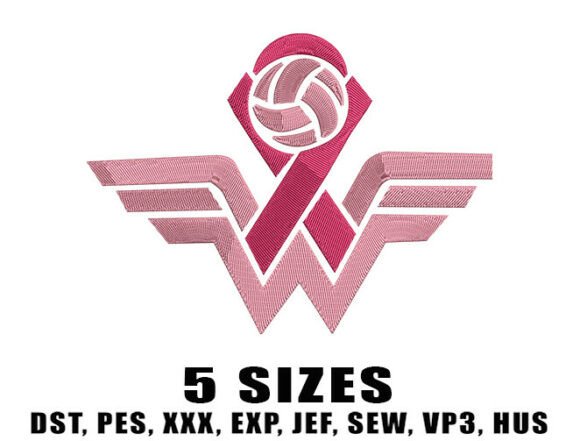
As a designer who spends more time staring at stitch maps than actual fabric, I have learned that not every digital file translates well to the needle. When I first loaded the Volleyball Cancer Embroidery Design into my software, I was looking for more than just a pretty picture. I wanted to know if this Pink Ribbon Wonder concept—combining the sporty energy of volleyball with the solemnity of breast cancer awareness and the grace of wings—would actually hold up under the presser foot.
The initial visual impression is striking. The layout balances the roundness of the volleyball with the sweeping curves of the wings, creating a sense of motion that feels empowering rather than static. For those of us in the craft business, mood matters. This design does not scream for attention; it invites it. It feels appropriate for strong women’s gifts, awareness campaigns, or sportswear that needs to carry a deeper message. But does it stitch as well as it looks on screen? That is the real question.
Real-World Application: The Tote Bag Test
To truly evaluate this machine embroidery design, I moved past the digital preview and imagined a concrete project. I pictured a heavy-duty canvas tote bag, the kind often sold at boutique markets or used for team fundraisers. Canvas is unforgiving. It shows every skipped stitch and pulls unevenly if the stitch density is too high.
The Volleyball Cancer Embroidery Design offers five sizes, ranging from 3.8 inches to 6 inches. For a tote bag, the 4.8-inch or 5.8-inch options felt like the sweet spot. Large enough to be seen from across the room, but small enough to fit comfortably on standard home embroidery hoops without requiring a massive industrial frame. In this scenario, the wing details provide excellent texture against the flat weave of the canvas. The volleyball elements likely utilize a fill stitch pattern, which gives body to the design, while the ribbon and wing outlines probably rely on satin stitch or running stitch work to maintain crisp edges.
If you are an Etsy seller or run a small shop product line, this versatility is key. You are not locked into one application. The same file can become a sweatshirt embroidery piece for a local team, a delicate accent on a baby embroidery item for a newborn whose mother is a survivor, or a bold statement on an embroidered patch. The ability to scale the design means you can adapt it for different hoop size constraints without losing the integrity of the motif.
Navigating Fabric and Technique Challenges
However, no design is universal. There are specific situations where you must approach the Volleyball Cancer Embroidery Design with caution. The wing elements, while beautiful, introduce fine details that can get lost on textured fabrics. If you are stitching onto a fuzzy fleece or a thick terry cloth towel, the smaller lines of the ribbon or the feather details in the wings might sink into the pile. In these cases, I recommend using a cut-away stabilizer and possibly increasing the stitch count slightly if your software allows for editing, though you should always check the original file settings first.
Another critical consideration is the fabric type. Stretchy materials, like performance jerseys often worn by volleyball players, require careful handling. The thread colors you choose will interact differently with dark versus light backgrounds. On a navy blue jersey, a bright pink ribbon pops beautifully, but the white sections of the volleyball might need adjustment to avoid looking too stark or dirty after washing. Always test your embroidery file on scrap fabric first. This is non-negotiable for professional results.
For curved surfaces like caps, the 3.8-inch size is likely your best bet. Anything larger may distort when stitched over the front panel curve. The design’s symmetry helps here, but you must ensure your hooping technique is flawless to prevent puckering. If you are creating a personalized gift or a holiday embroidery item for a loved one, take the time to inspect the small details. Are the corners sharp? Is the density balanced so the fabric does not pucker? These are the marks of a high-quality finished product.
Commercial Value and Brand Consistency
From a business perspective, this design adds tangible value. Awareness products are not just about charity; they are about community and identity. A well-executed custom apparel piece featuring this design tells a story of strength and support. For creative entrepreneurs and digital product sellers, offering a design that is both sporty and sentimental opens up multiple market segments. You are not just selling a stitch pattern; you are selling a symbol.
When creating printable mockup assets or design assets for your online store, ensure the presentation matches the quality of the stitch. Show the design on various items—a tote bag design mockup, a cap, a pillow cover. This helps buyers visualize the end result. Trust is built on transparency. If you are unsure about the specific stitch count or exact file formats included in the download, advise your customers to check the product details carefully before purchase. Never assume compatibility with every machine brand without verification.
The Volleyball Cancer Embroidery Design also performs well in black and white tests. Remove the color, and does the shape still read clearly? Yes, the silhouette of the wings and ball remains distinct. This is crucial for commercial embroidery where clients might want monochrome branding or subtle tonal variations. It ensures the design remains recognizable even when thread colors are limited.
Final Designer Notes
Before you commit to a large production run or list this as a premium handmade product, consider these practical steps:
- Test on Scrap Fabric: Always run a sample on the exact material you plan to use for the final item.
- Check Stabilizer Compatibility: Use tear-away for stable woven fabrics and cut-away for knits or stretchy materials.
- Review Stitch Density: Ensure the fill areas are not too dense for lightweight fabrics, which can cause tearing.
- Confirm Licensing: If you plan to sell finished items or use this as a digital embroidery file in a bundle, verify the license terms provided by the creator.
- Inspect Small Details: Zoom in on the wing tips and ribbon edges in your software to ensure there are no stray stitches or jumps that could cause thread breaks.
In conclusion, the Volleyball Cancer Embroidery Design is a thoughtful addition to any designer’s library. It bridges the gap between athletic spirit and heartfelt awareness with a layout that is both functional and aesthetically pleasing. Whether you are creating a custom apparel line for a local team or crafting a personalized gift for a friend, this design offers the flexibility and visual impact needed to create a memorable embroidery project. Just remember that the magic lies in the execution—choose your materials wisely, respect the technical limits of your machine, and let the design speak for itself.