Review: Dancing Pumpkin Head Embroidery Design
As an embroidery designer who has spent years digitizing files for small businesses and boutique brands, I approach every new machine embroidery design with a critical eye. It is not just about whether the image looks cute on a screen; it is about how that design translates to fabric, how it holds up in production, and ultimately, how it serves the brand identity of the client using it. Recently, I evaluated the Dancing Pumpkin Head Embroidery Design, specifically looking at its potential for commercial use in the upcoming seasonal rush.
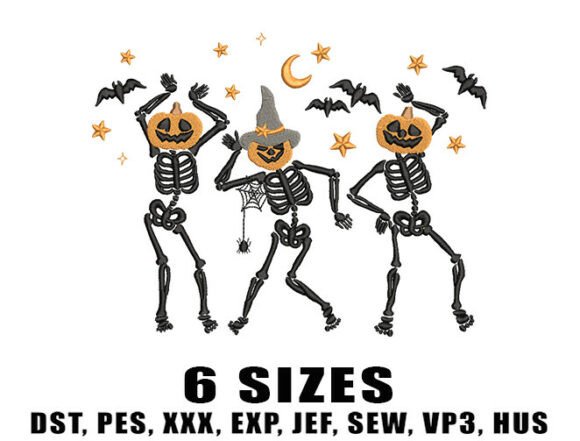
The product description highlights "Dancing Pumpkin Skeletons" with a vibe that is both spooky and cute. For business owners, this duality is a goldmine. It allows for merchandise that appeals to families, pet owners, and young adults who want festive gear without being overly terrifying. In this review, I will break down how this design performs as a branded asset for cafes, handmade shops, and apparel decorators.
First Impressions and Visual Personality
When I first loaded the preview of the Dancing Pumpkin Head Embroidery Design, the immediate impression was one of playful energy. The concept of dancing skeletons suggests movement, which can be tricky in embroidery if not digitized correctly. However, the "spooky cute" aesthetic implies rounded lines and friendly expressions rather than jagged, aggressive details. This makes the design feel approachable and premium, suitable for a wide range of customers.
For a small business owner, visual consistency is key. This design fits well into a modern, whimsical brand identity. It is not rustic or overly traditional; instead, it feels like a contemporary addition to a fall collection. Whether you are running a local bakery, a florist shop, or an Etsy store selling handmade goods, this design offers a decorative touch that feels intentional and professional.
Real-World Applications for Small Business Merch
The true test of any digital embroidery file is its versatility. Here is how I see the Dancing Pumpkin Head Embroidery Design working in real commercial embroidery projects:
- Embroidered Patches: This is perhaps the strongest use case. A patch allows customers to buy a low-cost add-on. The dancing motif works well within a circular or oval border, creating a collectible item for your brand.
- Staff Uniforms and Aprons: For cafes and boutiques, apron embroidery adds a personal touch. Placing a smaller version of this design on the chest pocket area creates a friendly uniform that engages customers during the holiday season.
- Cap Embroidery: Caps are high-margin items. The design’s playful nature suits casual headwear. However, placement is critical on curved surfaces, which I will address later.
- Tote Bag Design: Canvas totes are staples for handmade brands. A larger hoop size can accommodate the full dancing scene, turning a simple bag into a statement piece for trick-or-treating or grocery runs.
- Product Packaging Accents: Small versions of the design can be stitched onto fabric tags or ribbon ends, elevating the unboxing experience for online orders.
Using this design across these various touchpoints strengthens brand identity. When a customer sees the same high-quality dancing pumpkin on their tote, their barista’s apron, and their purchase tag, it builds trust and recognition.
Technical Considerations and Production Notes
While the aesthetic is strong, technical execution determines the quality of the finished product. As a designer, I always advise checking specific details before running a full production batch. The product description mentions "6 Sizes," which is excellent for scalability, but each size requires different considerations regarding stitch density and detail retention.
Managing Stitch Density and Detail
Dancing figures imply motion, which often means overlapping elements. In embroidery, too much overlap can lead to puckering or thread breaks. You must inspect the thread colors and spacing in the digitized file. If the design uses many similar shades of orange or brown, ensure there is enough contrast so the skeleton features do not get lost. I recommend testing the design in black and white first to check for clarity. If the outlines blur together in monochrome, they may lack definition on dark fabrics.
Fabric Texture and Stabilizer Choice
The success of the Dancing Pumpkin Head Embroidery Design depends heavily on the substrate. For smooth cotton twill used in caps or aprons, the design should stitch out cleanly. However, on textured fabrics like fleece or heavy canvas tote bags, fine details might sink into the pile. Always use the appropriate stabilizer. For stretchy fabrics or items that will undergo frequent washing, a cut-away stabilizer is often safer than tear-away to prevent distortion over time.
Placement Challenges
Be cautious when applying this design to small areas. On a standard cap front, space is limited. Ensure you are using the smallest provided size from the 6-size set to avoid the design wrapping around the curve, which causes registration issues. Similarly, for small patches, verify that the intricate parts of the skeleton’s dance moves do not become indistinguishable blobs of thread.
Enhancing Brand Value and Customer Engagement
Incorporating seasonal designs like this into your small business merch strategy does more than just sell a product; it creates an emotional connection. Halloween is a high-engagement holiday. Customers are actively looking for ways to celebrate, and offering high-quality custom apparel or accessories meets that demand.
From a marketing perspective, this design is highly shareable. A well-executed embroidered patch or a cute tote bag is likely to be photographed and posted on social media. This organic promotion increases buyer engagement and drives traffic to your shop. Furthermore, offering exclusive designs signals that your brand is active, creative, and attentive to trends, which enhances perceived value.
Practical Steps Before Full Production
Before you commit to stitching hundreds of units, follow these professional steps to ensure quality control:
- Check Licensing: Confirm the commercial license terms included with the embroidery file. Ensure you are allowed to sell physical items made with this design.
- Create a Printable Mockup: Use design software to place the artwork on photos of your actual products. This helps visualize scale and color combinations before threading the machine.
- Test on Real Fabric: Do not rely solely on digital simulations. Stitch a sample on the exact fabric type you intend to use. Check for pull-outs, jumps, or tension issues.
- Verify Hoop Size: Match the design size to your machine’s hoop capabilities. If the design is large, ensure your frame can handle it without re-hooping, which can cause misalignment.
- Compare Design Assets: Place this design next to your existing logo or other seasonal assets. Ensure the style complements your overall catalog rather than clashing with it.
The Dancing Pumpkin Head Embroidery Design offers a delightful blend of spooky and sweet that is perfect for the current market. By paying attention to technical details like stabilizer choice and stitch density, small business owners can transform this digital asset into a profitable, high-quality physical product. Whether used for staff uniforms, customer gifts, or retail merchandise, it has the potential to become a standout element of your autumn collection.