Little Fairy Embroidery: A Designer’s Craft Fair Review
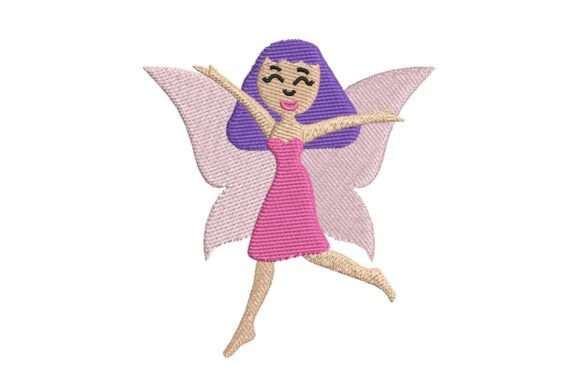
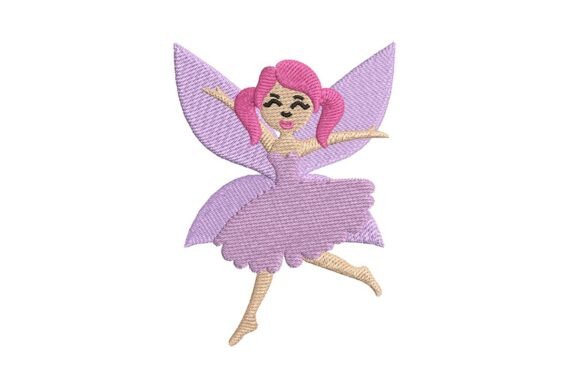
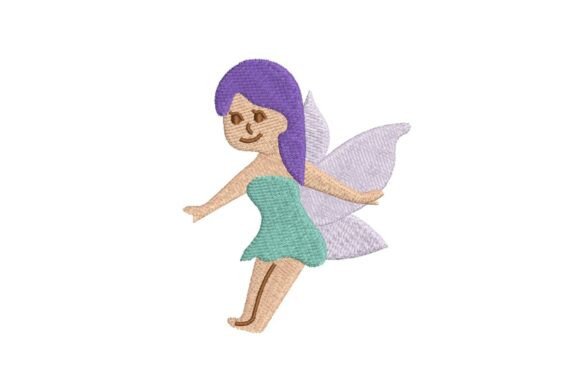
As an embroidery designer who has spent countless weekends behind a booth table, I look at every new machine embroidery design through a very specific lens. It is not just about whether the artwork is pretty; it is about whether it will stop a shopper in their tracks, whether it stitches out cleanly on textured fabrics, and whether it adds perceived value to a handmade product. Today, I am reviewing Little Fairy Embroidery, a whimsical design featuring a charming girl fairy with purple hair, to see if it has what it takes to be a top seller for craft fair vendors and Etsy shop owners.
First Impressions and Visual Appeal
The first thing that strikes me about Little Fairy Embroidery is its immediate charm. In the crowded world of Fairy Tales themed decor, standing out requires a balance of nostalgia and modern appeal. The inclusion of purple hair gives this character a contemporary, slightly edgy twist that separates it from traditional, pastel-only fairy motifs. This makes it versatile enough for children’s items but also appealing to teens and adults who appreciate whimsical, magical aesthetics.
For a craft fair setting, visual clarity is king. Shoppers scan tables quickly. This design appears to have strong outlines and distinct color blocks, which means it reads well from a distance. It does not get lost in noise. Whether you are aiming for a soft, decorative look or a bold, graphic statement, this fairy holds her own. It feels less like a generic clipart insertion and more like a curated piece of art, which is essential for building brand consistency in a small shop.
Product Versatility for the Weekend Market
When preparing my booth display, I always ask: where does this design live best? Little Fairy Embroidery is remarkably adaptable. Here is how I envision it performing across various craft fair products:
- Tote Bags and Market Bags: This is likely the strongest application. A large hoop size allows the fairy to be the focal point on canvas or cotton totes. The whimsical nature encourages impulse buys from parents and gift-givers.
- Apron Embroidery: Placed on the bib or the lower corner, this design adds a playful touch to kitchen linens. It transforms a standard utility item into a cherished keepsake.
- Tea Towel Embroidery: For smaller versions of the design, flour sack towels are ideal. However, one must be mindful of the fabric texture. Looser weaves can cause small details to sink in, so proper stabilizer use is critical here.
- Embroidered Patches: Creating iron-on or sew-on patches is a fantastic way to utilize this design. Patches allow customers to customize their own jackets or bags, increasing engagement at your booth.
- Caps and Hats: While possible, curved surfaces are tricky. If the design has dense stitch areas, it may pucker the front panel of a cap. I would recommend testing a smaller size from the included five sizes to ensure it lays flat.
Production Practicality and Batch Selling
For those of us running a business, time is money. A design that looks great but takes three hours to stitch is not sustainable for high-volume sales. Little Fairy Embroidery seems designed with efficiency in mind. The description notes it comes in five sizes, which is a significant advantage. This allows you to scale the design for different products without losing integrity.
However, you must evaluate the stitch density. Whimsical characters often rely on satin stitches for hair and wings. If the density is too high, the thread may break, or the fabric may distort. If the density is too low, the backing fabric might show through, especially on dark materials. Before committing to a large batch of finished products, stitch out a test sample on the exact fabric you intend to sell. Check for thread breaks and ensure the purple hair vibrantly contrasts against your chosen background.
Photography and Online Listings
If you are an Etsy seller or sell digital mockups, this design is a photographer’s dream. The distinct colors and clear shapes make it easy to capture in natural light. When creating your printable mockup or listing images, ensure the fairy is centered and well-lit. High-quality photos of this design on textured linen or soft cotton can significantly boost click-through rates. It tells a story of quality and care, which justifies a higher price point for your small shop product.
Careful-Use Notes for Designers
While Little Fairy Embroidery is promising, there are technical considerations to keep in mind to maintain professional quality:
- Fabric Texture: Avoid using this design on highly textured towels unless you use a strong cut-away stabilizer. The tiny details of the fairy’s face or wings may get lost in the weave.
- Dark Fabrics: If stitching on black or navy, ensure the design includes underlay stitches to prevent the background from peeking through. You may need to adjust thread colors for better visibility.
- Small Sizes: The smallest of the five sizes may lose clarity if the original file has intricate internal details. Always inspect the smallest version on scrap fabric before selling it as a keychain or small pouch accent.
- Stabilizer Choice: Match your stabilizer to your fabric. Tear-away is fine for stable woven cottons, but knit fabrics like t-shirts require cut-away stabilizer to prevent distortion over time.
Maximizing Buyer Engagement
Ultimately, the goal of any commercial embroidery project is to connect with the buyer. Little Fairy Embroidery evokes a sense of magic and wonder. By placing this design on high-quality items like linen pillow covers or sturdy canvas totes, you elevate the perceived value. It is not just an embroidered item; it is a piece of wearable art.
To maximize sales, consider creating bundles. Pair an embroidered tote with a matching patch. Use the design assets to create cohesive branding across your booth signage and social media. When customers see a consistent, high-quality aesthetic, they are more likely to trust your brand and make a purchase.
Final Designer Verdict
Before you launch this into your store, remember to check the specific license terms included with the digital embroidery file. Ensure you have the rights for commercial use if you plan to sell physical goods. Verify the file formats compatible with your machine to avoid conversion issues that can alter stitch paths.
In conclusion, Little Fairy Embroidery is a strong contender for any maker looking to add a touch of whimsy to their inventory. It balances artistic appeal with production practicality. By paying attention to hoop size, thread contrast, and fabric choice, you can turn this charming fairy into a best-selling staple of your craft fair booth. It is a design that invites curiosity, sparks joy, and ultimately, drives sales.