Cross Stitch Cutting Board Design Review
As a designer who has spent years staring at digitized files and watching needles punch through fabric, I have learned that not every graphic translates well into thread. When I first pulled up Cross Stitch Embroidery Cutting Boards S, my initial reaction was one of cautious optimism. The concept is charming—a nod to kitchen aesthetics and culinary passion—but the execution in embroidery requires a different set of rules than print-on-demand sublimation. This review breaks down how this design performs when moved from a digital screen to a tangible, stitched reality.
First Impressions and Visual Personality
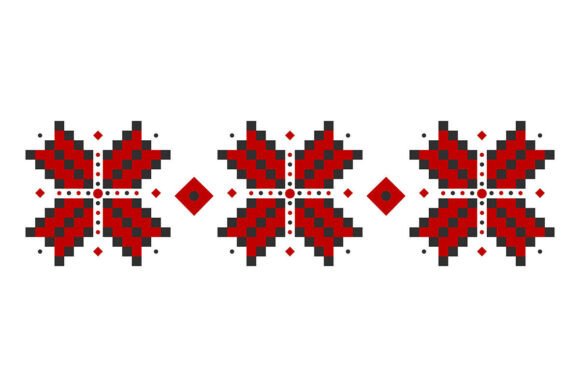
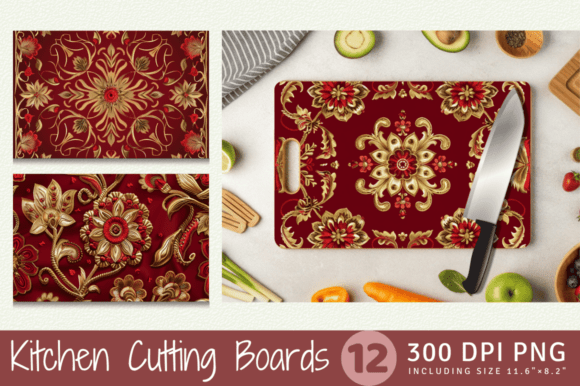
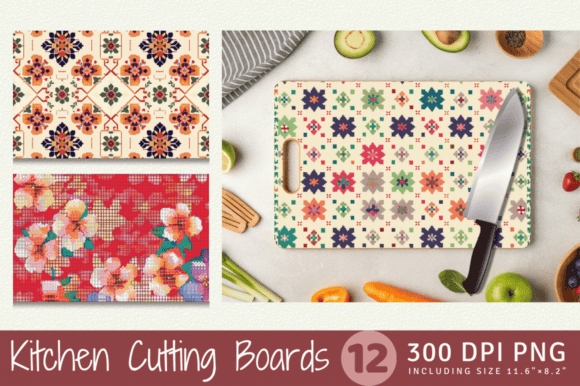
The mood of Cross Stitch Embroidery Cutting Boards S is undeniably cozy. It taps into the current trend of cottagecore and rustic kitchen decor, appealing directly to cooking lovers and those who appreciate handmade warmth. Visually, the layout suggests a blend of traditional cross-stitch aesthetics with modern graphic simplicity. For an embroidery project, this is promising because it implies clean lines rather than chaotic, overly dense fills.
However, we must distinguish between a sublimation design meant for flat printing and a file intended for stitching. While the product description highlights its use for high-quality cutting board designs in kitchen decor, as an embroiderer, I am looking at how those shapes will hold up under tension. The "cross stitch" look in embroidery often relies on simulated stitches using running stitch or small satin blocks. If the design is too detailed, it risks becoming a muddy mess on textured fabrics. Fortunately, the simplified nature of this illustration suggests it was built with clarity in mind, making it a strong candidate for various applications beyond just printed boards.
Real-World Application: The Custom Tote Test
To truly evaluate a design, I imagine it in a real-life scenario. Let’s say I am preparing a custom order for a local boutique selling artisanal jams. They want a personalized gift option for their customers. I decide to test Cross Stitch Embroidery Cutting Boards S on a heavy cotton canvas tote bag. This is a common request for Etsy sellers and small shop products.
On a tote, the design needs to be legible from a distance but detailed enough to show quality up close. The graphic nature of this design works well here. Unlike complex photorealistic images, this illustration relies on shape and contrast. When stitched out, the blocky, pixel-like aesthetic of the cross-stitch style translates beautifully into thread. It avoids the pitfalls of tiny, fragile details that might snag during washing. For a craft business, this reliability is crucial. You do not want to spend hours stitching a piece only to have the customer complain about loose threads after the first wash.
Versatility Across Products
Beyond tote bags, this design has legs. It fits naturally into several categories:
- Sweatshirt embroidery: Placed on the left chest, it serves as a subtle, cute accent for foodies.
- Tea towels and aprons: The kitchen theme makes this an obvious choice. Here, durability is key, so checking stitch density is vital.
- Embroidered patches: If digitized correctly, this could make a fantastic iron-on patch for denim jackets or lunch bags.
- Holiday embroidery: During the gifting season, this design pairs well with personalized names, creating a high-value finished product.
For digital embroidery file sellers, offering this as part of a bundle with other kitchen-themed icons could increase average order value. It appeals to the same demographic that buys printable mockups and design assets for their own creative projects.
Technical Considerations and Fabric Choices
While the design is visually appealing, technical execution determines its success. Here are the areas where you need to exercise caution:
Fabric Texture and Stability: Cross-stitch styles rely on grid-like precision. If you stitch this on a highly textured fabric like terry cloth or a loose-weave linen without proper stabilization, the alignment may look off. Always use a cut-away stabilizer for garments that will be washed frequently, such as baby embroidery items or custom apparel. For decorative items like pillow covers, a tear-away might suffice, but stability is still paramount to prevent puckering.
Stitch Density and Type: Examine whether the file uses true satin stitch borders or if it simulates the look with fill stitches. High-density fills can make fabric stiff and heavy. For a tote bag design, stiffness might be acceptable, but for a soft baby blanket, it is not. If the design includes small lettering or intricate corners, ensure the stitch count is optimized. Tiny details can get lost if the needle penetrations are too close together, causing the thread to bunch up.
Color Contrast: This design likely relies on distinct color blocks to mimic the cross-stitch effect. Test it in black and white mockups first. If the colors blend too much, the image will lose its definition. On dark fabrics, ensure you have a light underlay or choose thread colors that pop. A common mistake is using mid-tone threads on navy or black fabric, resulting in a design that disappears.
Designer Notes for Best Results
Before committing to a large production run or listing this as a premium item in your store, follow these practical steps:
- Test on scrap fabric: Never stitch directly on the final garment. Use the same type of fabric and stabilizer you plan to use for the client.
- Check hoop size compatibility: Ensure the design fits comfortably within your machine’s hoop without hitting the edges. Leave at least half an inch of margin.
- Inspect small details: Zoom in on the digitized file. Are there any unnecessary jump stitches? Are the tie-offs secure?
- Verify licensing: The product description mentions it is perfect for print-on-demand sellers, but always confirm if the license extends to physical embroidered goods. Some Illustrations and Graphics are licensed for digital use only. Clarify this before selling commercial embroidery items.
- Thread selection: Use high-quality rayon or polyester threads. Cheap thread can break during high-speed stitching, ruining the design’s clean lines.
Final Verdict
Cross Stitch Embroidery Cutting Boards S is a solid addition to a designer’s library, particularly for those targeting the home decor and culinary niches. It bridges the gap between digital art and tactile craft effectively. While it originates as a sublimation design concept, its visual structure lends itself well to embroidery when handled with care. It offers a professional look that enhances brand consistency for handmade product sellers and adds perceived value to personalized gifts.
For the creative entrepreneur, this design represents an opportunity to create unique, niche-specific merchandise that stands out in a crowded market. Just remember that the difference between a good design and a great finished product lies in the preparation: proper stabilization, thoughtful thread choices, and rigorous testing. When executed well, this design does not just decorate a product; it tells a story of craftsmanship and care, which is exactly what customers are buying when they choose handmade over mass-produced.