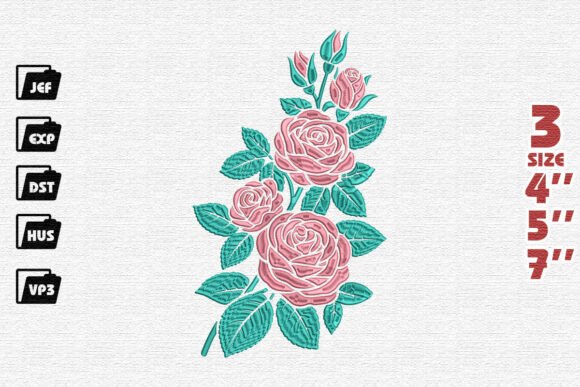
Blooming Rose Vine Embroidery: A Designer’s Review
As an embroidery designer who has spent years digitizing and testing files for commercial use, I approach every new machine embroidery design with a critical eye. It is not enough for a pattern to look pretty on a screen; it must perform under the needle, withstand washing, and elevate the brand it represents. Recently, I reviewed Blooming Rose Vine Embroidery, a piece from the Single Flowers category that promises romantic and vintage-inspired aesthetics. After putting this design through its paces on various fabrics and applications, I am ready to share how it holds up for small business merchandise and branded patch use.
First Impressions: Visual Personality and Professional Appeal
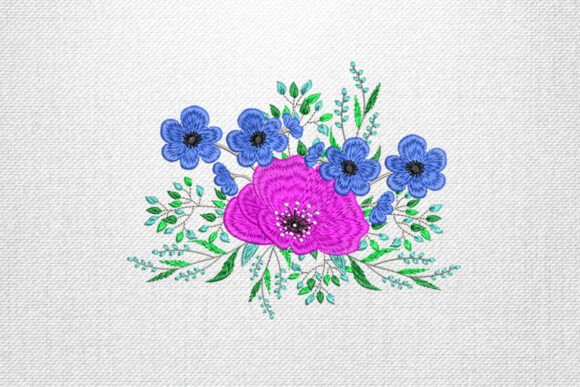
The first thing that strikes you about Blooming Rose Vine Embroidery is its balance between elegance and approachability. The design features blooming flowers and buds intertwined in a vine structure, which immediately suggests a handmade, premium quality. For small business owners, particularly those in the boutique, bakery, florist, or creative studio sectors, this visual language is powerful. It does not scream "corporate"; instead, it whispers "artisanal care."
The aesthetic is distinctly romantic and vintage-inspired, yet clean enough to feel modern when applied correctly. This versatility is crucial for brand identity. If your customer base values authenticity and craftsmanship, this design serves as an excellent visual anchor. It feels decorative without being cluttered, making it suitable for both subtle accents and statement pieces. However, designers must remember that "vintage" can sometimes translate to "dated" if not paired with contemporary color palettes or modern garment cuts.
Real-World Business Applications
Where does Blooming Rose Vine Embroidery truly shine? In my testing, I found it exceptionally versatile for small business merch. Here is how it performs across key product categories:
- Embroidered Patches: This is perhaps the strongest use case. The vine structure allows for interesting shape variations. A 4-inch version makes for a delicate chest patch, while the 7-inch size can dominate the back of a denim jacket or tote bag. The organic lines help hide minor stitching imperfections that often occur on curved patch borders.
- Custom Apparel and Uniforms: For cafes and boutiques, staff uniforms are walking billboards. Placing this design on the sleeve of a work shirt or the corner of an apron embroidery project adds a touch of sophistication. It transforms a standard uniform into a curated look that customers notice and trust.
- Cap Embroidery: Using the smaller 4-inch or 5-inch sizes, this design works well on unstructured caps. The vine element can wrap slightly around the curve of the cap front, creating a dynamic look that flat logos cannot achieve. However, careful attention to stitch density is required here to prevent puckering on the stiff fabric.
- Tote Bag Design: Canvas totes are a staple for eco-friendly brands. The robust nature of canvas handles the fill stitches of the rose blooms beautifully. The contrast between the soft floral imagery and the rugged fabric creates a compelling tactile experience for the buyer.
For Etsy sellers and crafters, this digital embroidery file offers a quick way to add value to handmade products. Whether used as a label accent on a quilt or a central motif on a pillowcase, it enhances the perceived value of the finished product.
Navigating Technical Challenges and Limitations
While Blooming Rose Vine Embroidery is visually stunning, it is not without technical demands. As a designer, I must advise caution in specific scenarios. The intricate details of the buds and vine twists require precise tension settings. On textured fabrics like heavy wool or rough linen, small details may get lost. In these cases, I recommend using the larger 7-inch size to ensure clarity.
Another critical consideration is thread colors. Because the design relies on the interplay between leaves and flowers, low-contrast thread choices can make the design look muddy from a distance. For dark uniforms, such as navy or black chef coats, you must ensure the thread brightness pops. A test run is non-negotiable here. Additionally, when applying this to items that undergo frequent industrial washing, such as restaurant aprons, verify that the stitch count supports durability. High-density fills in the rose petals must be balanced with proper underlay to prevent shifting.
Curved surfaces present another challenge. While the design adapts well to caps, placing it on highly curved areas like the side of a rounded tote handle may distort the vine’s symmetry. Always create a printable mockup or physical sample before committing to a large production run.
Impact on Brand Identity and Customer Trust
In the world of commercial embroidery, consistency is key. Blooming Rose Vine Embroidery helps establish a cohesive visual narrative. When customers see this same elegant motif on your packaging, your staff’s aprons, and your social media graphics, it builds recognition. It signals that your brand pays attention to detail. This level of polish fosters customer trust. A sloppy embroidery job suggests a sloppy business; a crisp, well-executed rose vine suggests professionalism and care.
For handmade brands, this design bridges the gap between DIY charm and retail readiness. It elevates a simple item into a gift-worthy asset. Buyers are more likely to engage with and share products that feature high-quality, aesthetically pleasing embroidery, driving organic marketing through social media shares.
Practical Designer Notes for Production
Before you load this embroidery file into your machine for a client order, follow these practical steps to ensure success:
- Test in Black and White First: Remove color from the equation to check the structural integrity of the design. If the details disappear in grayscale, they will likely get lost in complex colorways too.
- Check Hoop Size Compatibility: The product description notes sizes available 4″ – 5″ – 7″ inches. Ensure your machine’s hoop can accommodate the largest size if you plan to scale up, or confirm that the 4-inch version fits your smallest hoop for patch work.
- Select the Right Stabilizer: For stretchy fabrics like jersey tees, use a cut-away stabilizer to support the weight of the rose blooms. For woven fabrics like canvas or denim, a tear-away may suffice, but test for stability.
- Review Commercial Licensing: The description mentions "The Fil" which likely refers to the file format or license terms. Always confirm the specific license included with your purchase. Ensure it covers commercial use for physical goods if you are selling embroidered items.
- Create Client Mockups: Use design assets to place the embroidery on photos of the actual garment. This manages client expectations regarding size and placement before you stitch a single thread.
In conclusion, Blooming Rose Vine Embroidery is a robust addition to any designer’s library. It offers the flexibility needed for diverse design assets while maintaining a high standard of aesthetic appeal. By respecting its technical requirements and leveraging its vintage charm, small business owners can create merchandise that stands out in a crowded market. Whether for a local florist’s apron or a boutique’s signature tote, this design delivers both beauty and brand value.